The Department of Architecture and Urban Planning at Ghent University together with the Faculty of Architecture at ULiège invites submissions for the conference on Architectural Salvage: Histories of Commerce and Guardianship, to be held in Ghent, Belgium, from 15–18 September 2027. The event is part of the thematic conference series of the European Architectural History Network (EAHN).
This conference explores the long history of architectural salvage and the reuse of building elements. Inspired by Jane Jacobs’ distinction between commercial and guardian moral systems, it invites contributions that examine architectural salvage through the lens of commerce and governance.
We welcome contributions across different global geographies and time spans that run from Antiquity (800 BC) till the 21st C. We are interested in papers that offer a compelling case study or stakeholder analysis, or approaches to the guardian-commerce dichotomy from a more conceptual or theoretical position. The focus should be on the actors and the protocols of salvage and reuse rather than solely on the building materials involved.
Contributions might address – but are not limited to – the following topics:
- Moments of systemic rupture in which established economic arrangements are abruptly destabilized – like tectonic plates – for instance through war, conquest, or large-scale societal transformation, prompting the reorganization of markets and the emergence of new administrative, legal, or discursive frameworks.
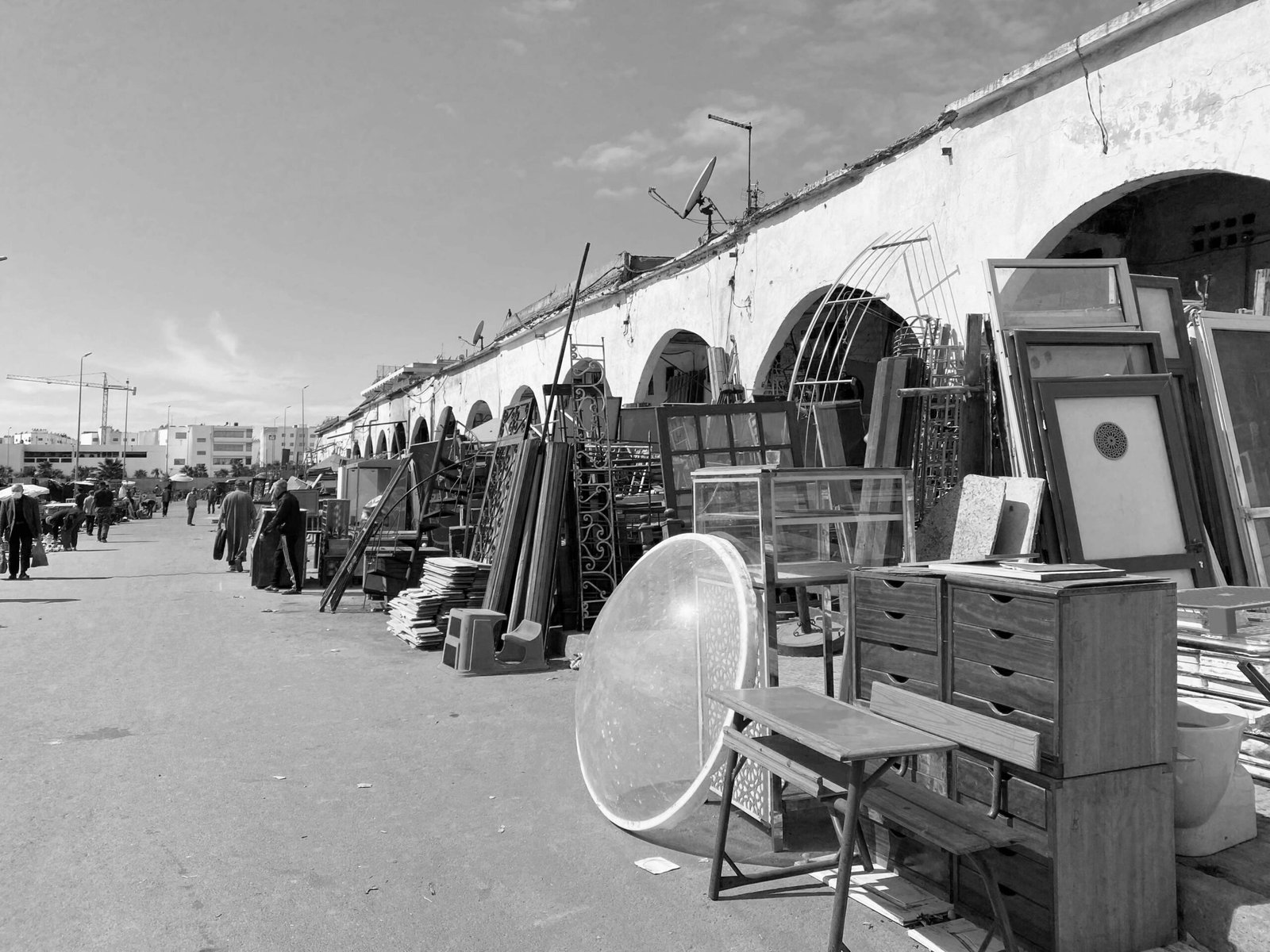
- The economic dynamics within reclamation dealer networks, their relationships with demolition contractors, architects, commissioners, and the diverse valorization mechanisms through which salvaged materials change hands, such as theft, spoliation, (public) auction, donation or sale.
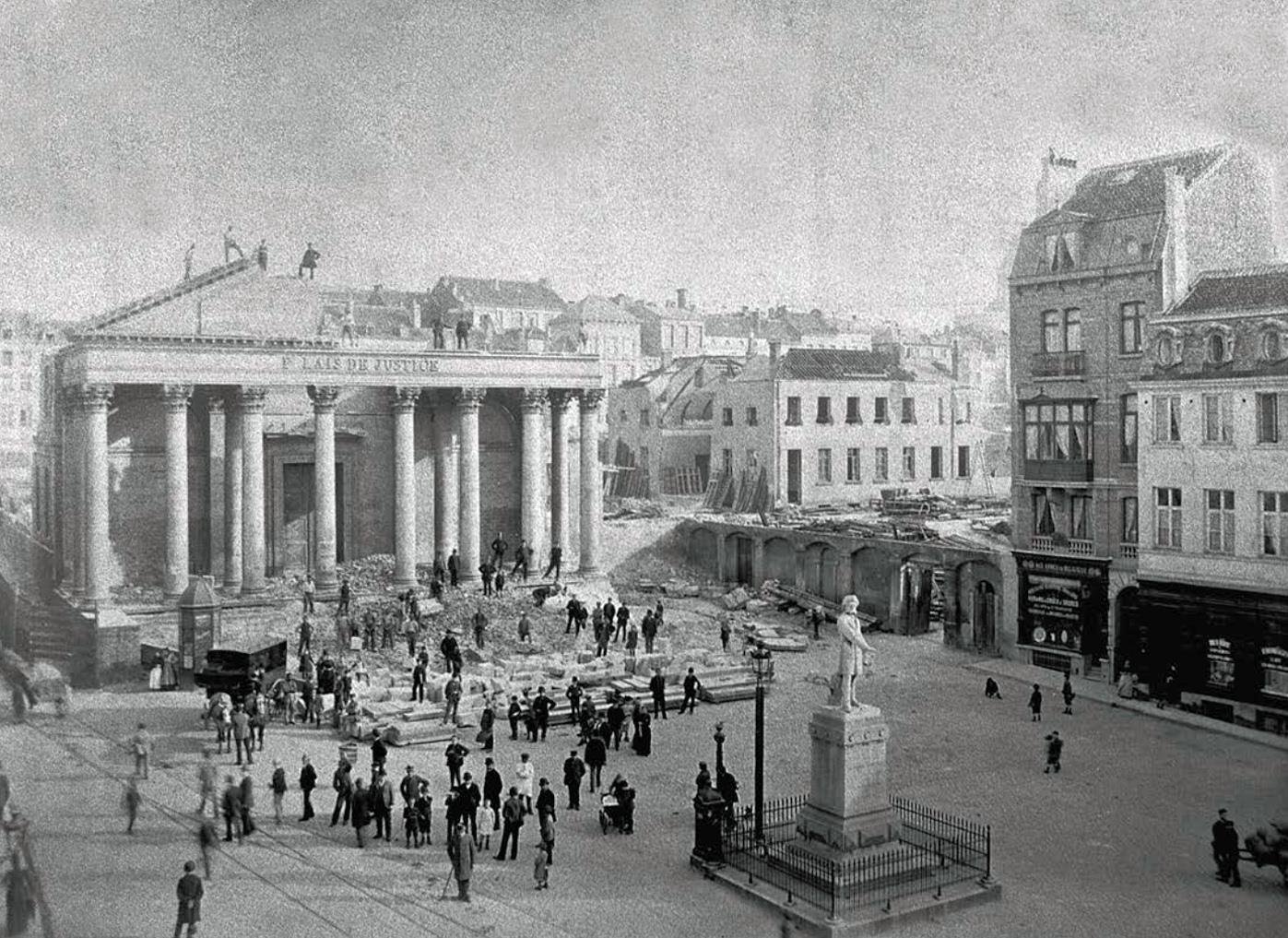
- Instances where entire buildings, derelict or not, are being dismantled for the sale of their components, since they reveal a lot about urban conditions, political positions, the nature of economic opportunities, and the way in which actors respond to these opportunities.
- Moments when the geographical scope and logistical conditions of circulation are reconfigured, whether expanded or contracted, due to emerging opportunities (e.g. new transport networks and infrastructures, newly accessible procurement markets) or new constraints (e.g. import taxes, embargoes, military blockades).
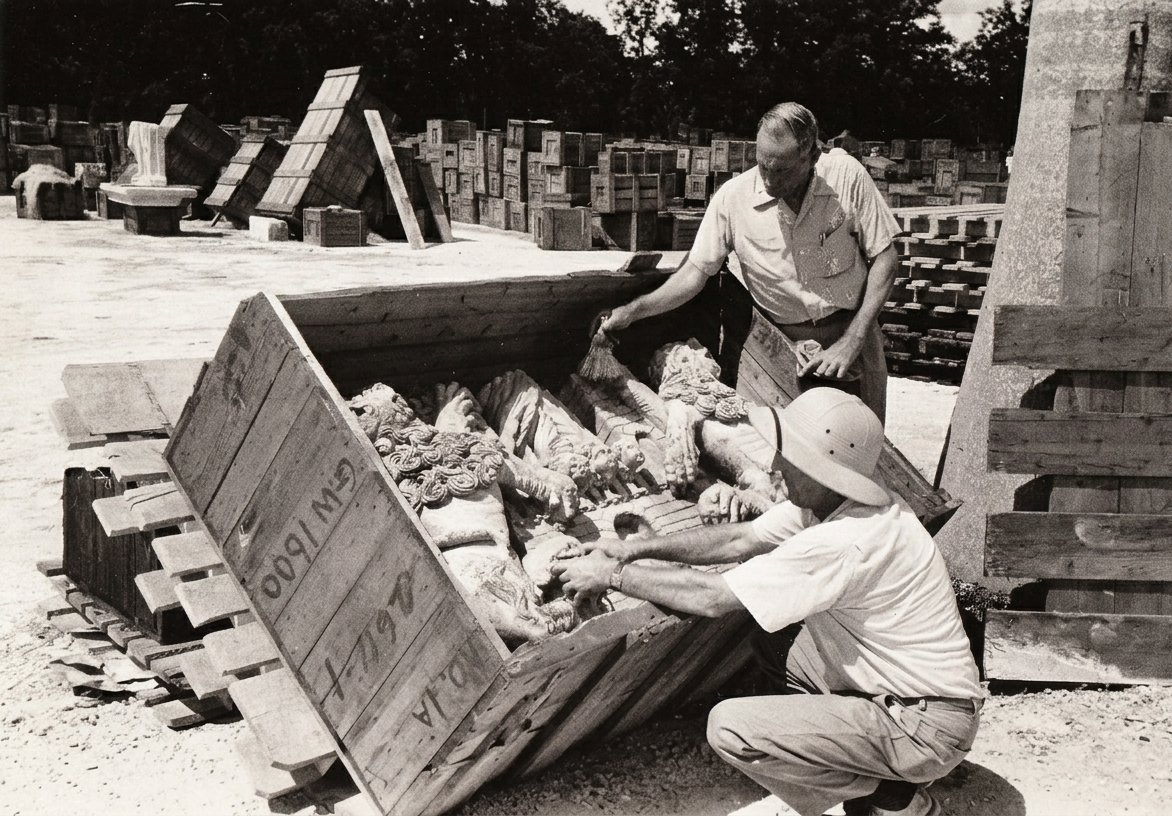
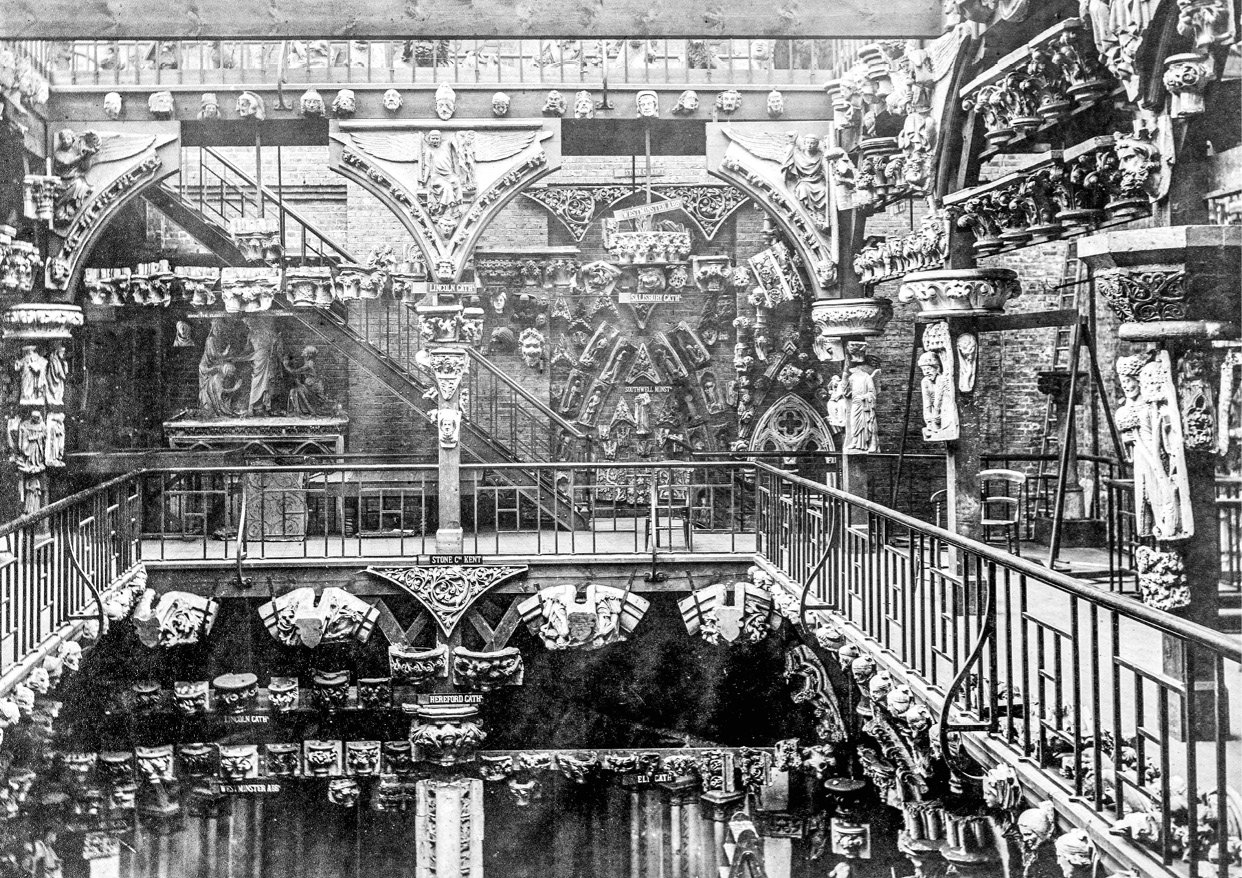
- Administrative and legal frameworks structuring the storage, quality control, legal status, heritage protection of salvaged materials, … and the actors operating within them.
- Instances of ‘syndrome tinkering’ (as introduced by Jacobs with the extreme example of the mafia as a ‘monstrous hybrid’), where traders assume guardian roles, and institutional guardians adopt commercial strategies and transgress their proper ethos, whether driven by prestige, pragmatism, or sustainability imperatives.
Theoretical or methodological reflections that can guide our thinking on any of the above topics are equally welcome, as are alternatives to Jacobs’ commerce – guardianship dichotomy.
This conference will favour proposals that explicitly ground their topic in the specific socioeconomic realities and socio-technical regimes in which architectural salvage and reuse practices unfold throughout history. We invite proposals that include: an abstract of no more than 400 words, an academic bio of 150 words, and one image (with caption). This conference aims to foster dialogue across disciplines — architectural history, archaeology, critical heritage studies, legal history, cultural anthropology, urban studies, cultural economics, circular construction scholarship, etc. — in an effort to establish a better understanding of the moral, institutional, cultural, and material complexities associated with reuse in an era of ecological urgency.
Abstract submission deadline: 5 October 2026
For the full Call for Papers and submission details, please visit: https://architecturalsalvage.ugent.be/en